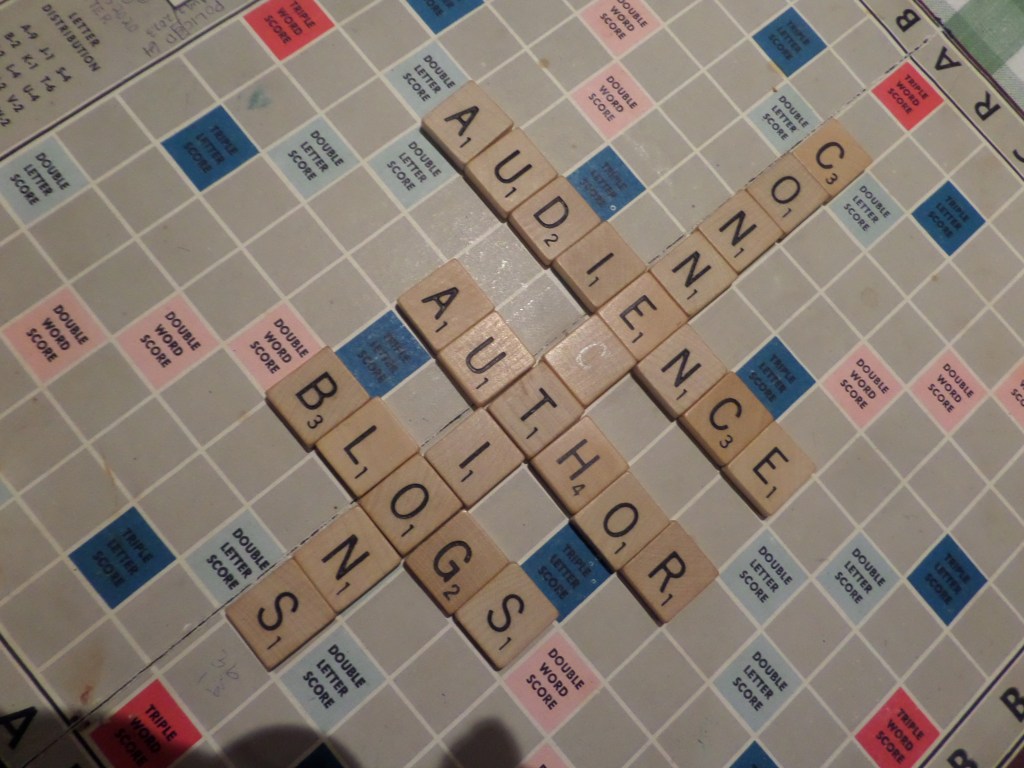
Your author blog is all about building an audience for your writing and then connecting and conversing with them over the long-term. How does that happen? Why it is important? How do you do it? Let’s find out.
The following are the topics I’ll be covering more indepth in separate posts in this series; I’ll add links as I post them:
- Is Author Blogging Dead?
- Blog or Website or Both?
- Social Media
- Author Blogs
- Connections and Audience
- Content Tips
- Goalshttps://normajhill.com/2023/12/01/promoting-your-blog/
- Layout
- Types of Posts
- Specific Pages
- Promoting Your Blog
- SEO
- Ideas for Posts
- E-Mail Newsletters
- Author Blogs: My personal conclusions – and series resource list
AUDIENCE AND CONNECTION
WHO IS YOUR AUDIENCE?
- Imagine who your ideal reader would be: both your book reader and your blog reader. What are their needs, fears, problems, challenges, and interests? Jot down potential blog post topics based on that.
- Describe, for yourself, your target audience’s demographics, age, gender, habits and motivations, dreams, education, ethnicity, and more. Use that information to help you determine what kinds of posts they will be interested in—and also use that information when planning your book(s).
- Check out your “metrics” on your blog/website. Where are your traffic–your readers–coming from? What are they “liking” on your blog? What posts have received the most readers? How long are they staying on particular posts? What are they commenting on? What links are they clicking on? You can use this information to determine your audience’s interests, needs, and so on, and thus provide information and create topics in future blogs (or updates on ones you’ve already posted) that will really reach out to them.
- Survey your readers. Who are they? How can you be more useful to them? What questions can you answer? What problems can you solve? Ask questions. Set up a poll. Do a search for “polls and surveys.” There are lots of different software that you can use to reach readers in this way; some are free; others have a cost. Check out reviews and find ones that meet your needs.
- Check out other author blogs. Leave comments on posts you are interested in, especially those that relate to your blog, book genre, and so on. By leaving comments on other blogs, you will not only be conversing with other bloggers, but also will be communicating with their community. Those who are interested in your comments may well check out your blog as well. In terms of other bloggers, collaborating with them (linking to each other, working together, commenting on each other’s blogs) is good for both of you: it builds your profiles, opens doors into each other’s blog, and showcases your expertise … and thus reaches out to broader audiences for both of you and drives traffic to your blogs.
- Did you know that about 18% of internet users are 18 to 24 years of age? If that is your target audience age group, think about what younger people want, in terms of books of course, but also in terms of useful information related to your blog topic. Provide links to your blog from your social media posts. Check out the social media platforms that are of most interest to your target audience’s age group and consider starting an account there (and think about how you can reach out to that audience on that platform). Some of the sites currently of high interest to younger readers include YouTube, Instagram, TikTok, WhatsApp, and SnapChat (you may need to develop some of your skills such as creating videos).
- If your target audience is older, check out which social media platforms may be of most interest to them. For example, in 2023, almost ¼ of Facebook users in Canada were in the 25 to 34 age group, and the next largest was the 35 to 44 age group (So think: would Facebook be the best way to reach youth or YA readers? Maybe not… but it might be perfect for somewhat older ones).
- And consider other ways of reaching out. There are many different platforms that might be just what you need. What a Quora (a Q&A site). Or Pinterest? Or??
WHY DO YOU NEED TO CONNECT WITH READERS?
- Put your readers first: be a helper. Meet their needs. When you provide them with a friendly approach and with useful information, there’s a good chance they will appreciate your interest in them, and they’ll be willing to purchase your book(s) and other products. Provide some free samples and excerpts from your books and other written products.
- When you make sure your blog posts are well written and interesting, readers will be more interested in the other materials you publish, and they may well decide to purchase them.
- Showcase your writing skills and style in your blog posts. What kind of writing does your target audience like: serious, friendly, casual, formal, humorous, dark, exciting …? Use that writing approach and style in your blog posts, too.
- Offer a fresh perspective on your genre or topic. Create a fresh take on familiar topics: unique and valuable content. Even consider taking a controversial or contrarian view, compared to the average/general take on a topic—but make sure in doing so that you are providing value and expanding your readers’ view of their world.
WHAT IS A “CALL TO ACTION” IN YOUR BLOG?
- Go beyond just providing information. Suggest actions your readers can take “right now” to build your audience and share about your books and other writing and events. Actions build on information for your readers and develop useful, practical connections that will keep them coming back long-term.
- Actions can also include asking your readers to subscribe to your e-newsletter, follow your blog and social media, and click on links to buy your books and products that your readers will enjoy reading and/or will find helpful/useful.
- Other suggestions: Suggest your readers buy a helpful/valuable product or service related to your post (not necessarily just yours!). Have them vote on an aspect related to your post. Ask them to take a poll or survey. Or donate to a charity. Or hire you; buy your product (book, etc.) or service (perhaps you are an editor, illustrator, designer…). Take part in a program or class/course you offer. Attend a meeting, event, or meetup you are participating in. Read another related post in your blog. Visit your business if you have a “brick and mortar” location… or go to other “static” parts of your author website.
- Your call to action should be something that not only furthers your own blogging goals—but even more so, benefits your readers (which will benefit you in the long-term!).
- Focus on one (or perhaps at most two) calls to action for each post—and clearly tell your readers how to do that. Explain in how-to terms or provide a link to a post or another site that explains it clearly.
- If your post is a how-to/teaching type post, give “homework”: encourage readers to implement what they have learned, experiment with it, and report back (in the comments, or even in a guest post) on their results.
HOW CAN YOU SEEK COMMENTS—AND REPLY TO THEM?
- Ask questions related to the topic of your blog post. Make those questions personal: find out what your readers liked about the post, what more they want to know, how you can help them… Go beyond “yes/no” type Qs & As to questions that require participation and thoughtfulness. Don’t forget the “5 Ws + H”: Who, what, when, why, where, how.
- As people in your community express personal struggles, challenges, and victories in their comments (both on your blog and on social media groups you both belong to, as well as on reviews), you can get good ideas for useful blog posts, as well as for your book(s) and other possible products.
- Be friendly, polite, and personable. Be friendly, but in the case of trolls and other negative commenters, don’t be a sucker; stand up for yourself when necessary … and if the problem continues, block them: they are not a helpful and useful part of your community, and may even scare off the readers you want.
WHY IS IT IMPORTANT TO DEEPEN CONNECTIONS WITH THOSE WHO RESPOND? HOW CAN YOU DO THAT?
- Deepen connections with people who respond to your posts. Besides “conversing” with them in the “comments” section of your post, if you sense a connection building, reach out to them in other ways—by phone, email, “friending” on social media, and so on. Create a community, a sense of belonging.
- Respond to comments. Build the conversation. Email regular commenters. Visit their author blog and website (or social media if they don’t blog). Leave comments on posts you like. Check out their author and book information on online bookstore sites like Amazon. Buy a copy of their book and leave a review. Find them on review sites like Goodreads and add a review.
- Provide special offerings to those who subscribe to your e-newsletter—information or products that less-interested readers don’t have access to.
- Join groups and forums on social media, or even start your own forums/chats on your website—a “members-only” section of the site where you and your most enthusiastic readers can go deep into topics of interest.
- Be an active participant in your writing community. Introduce yourself. Search for questions people ask on other blogs, social media, groups, and forums that you can answer. Meanwhile, converse with them where you “meet” them. Share your experiences and add value.
- Start a comment thread that asks a question you yourself have. Stimulate discussion.
- If you notice someone in the comment conversations you are involved in (on your blog or social media) is being picked on or called down, think about how you can stand up for them. Always check comments in your blog or in social media posts you’ve made to ensure that participants are being thoughtful and positive; if they aren’t, seriously consider removing their comments. Most blog platforms allow you to choose whether you want to accept (and reply to) the particular comments people make.
- It’s a good idea to create a page on your blog that explains how you will deal with negative or non-related comments, and what you allow or don’t allow. In social media, such as Facebook, where you have your own group, be sure to be clear on what you allow and what information you require from potential “joiners” before accepting them.
- Don’t be pushy and overly self-promotional. Don’t dominate the conversation; on the other hand, do go beyond general comments like “great post”. When commenting on other blogs, don’t attack the blogger or their readers. Be friendly and helpful.
- Make sure you read the comments posted on your blog (and on your social media, too) and understand the comment clearly; if you aren’t sure what is being said, ask for clarification. If you’re commenting on other blogs or social media posts, make sure you read and understand the post; then scroll through the comments to see what others have already said. Finally, add your own comment that builds on the conversation and adds value (for example, with deeper information/ideas or providing an example or experience). In all commenting cases, be honest but gracious. Provide advice IF you’re invited to. Most comment forms include a space for your own URL, so if you’re commenting on another blog, fill that in and let people find you that way. Again, don’t be pushy.
- When you comment on another blog or social media post, and other people like your comment and/or build on it, it means there is interest out there. Think about how you could turn that comment into its own post on your blog. If it started with another blogger’s post, link back to that post to expand the conversation it began.
- Likewise, if you appreciate a comment on one of your posts, promote it in a future post … and promote the person who made the comment. Highlight their knowledge. Quote from their original comment, but also from their blog posts, social media, books, etc. Write about their successes and products/services. Invite them to create a guest post or interview them.
- Engage in meaningful and helpful conversations and develop a sense of belonging, of community, of relationship building by responding quickly to comments, and providing useful information like related videos, news data, and writing community and/or industry trends.
WHY SHARE YOUR OWN EXPERIENCES AND LIFE? HOW DOES YOUR BLOG SHOWCASE YOU?
- Connections are deepened when you use your blog (and the rest of your author website) to showcase your expertise, authority, credibility, knowledge, and your willingness to help others.
- Contribute articles, videos, audio clips, and other useful content. Keep learning and keep sharing valuable, useful information. Provide relevant links to other specific, related, useful posts on your blog—and to related posts on other author blogs or informational websites.
- When you share your own life experiences, writing experiences, and personal interests, your readers will feel like they know you, and will relate to you … and that can lead to deeper feelings of community and belonging … and that, in turn, can create interest in your writing-related (and yes, other) products and services … and that, in turn, may well “sell” them.
- Notes on your travels, research, events you attend and participate in, even notes on family and other personal items (depending on your comfort level in sharing personal information), give you “personality” and also help your readers see you as an authority in the areas related to your books and services. For example, if you write historical fiction, your travels to old castles, museums, etc. will show you really know what you are talking about. Or workshops you present at conferences, with positive testimonials from those who attend, showcase you as an expert in your field.
- Share how you feel about various topics. Inject some emotion and personality in your blogging, just as you do in your books and other written materials.
- A popular, useful blog that builds a community can provide you with opportunities to speak at conferences, writers’ groups, workshops, etc. You may even receive offers from educational institutions or similar organizations to teach courses or otherwise work for them.
WHAT ARE SOME WAYS TO “CONNECT” WITH YOUR AUDIENCE?
- Find “blogging buddies” among both your readers, and among other authors who blog. Find ways to support and help each other. For example:
- Form or join groups online and off (in person)
- Make online friends into offline, in-person friends. If you can’t meet personally at conferences, workshops, book launches, and so on, offer to Facetime or Skype. Set up a gathering on Zoom or Teams or a similar platform.
- Create a “live” (Zoom, etc.) online workshop-style class or course—a single session, or a “series” on a topic. Consider using a platform such as Eventbrite to reach out beyond your current community. Record the gathering and post it on YouTube.
WHAT DOES YOUR BLOG HAVE TO DO WITH PROMOTING YOUR WRITING? HOW?
- Develop a marketing/promotion plan, using your blog as a “hub.” Link between your social media and blog posts. Link to your blog from your e-newsletter (if you choose to create one). Link from your books and articles to your author website and to related blog posts. Include your blog link in your author bio.
- Comment on other related blogs and include a link back to your blog, or more specifically, to a related post on your blog. Converse and connect.
- After you publish a link (to another blog or website) in a post, send a quick email to the person whose site you plugged, with a link to the post. Your community isn’t just the people who read your book(s) and/or blog and social media posts; it also can extend out to others who share your interests—and chances are, they’ll plug you in return in some way (for example, in a post on their blog, or by asking you to write a guest post, or inviting you to take part in a podcast or interview or event they’re part of).
WHAT KINDS OF WRITING CAN YOUR BLOG INCLUDE? HOW DO THEY EXPAND YOUR REACH?
- Consider writing for other publications and markets, and link to them from your blog (and from your social media): magazines, journals, newspapers, online publications, and guest posts on other website and blogs.
- If you have experience with useful topics for other writers, such as finance, visibility, awards, contests, and platform building, share that information on your blog—don’t just focus on your book. Share your experience with book publishing (traditional, self-published, hybrid), and share how-to information on your experiences with writing, self-editing, working with editors, working with designers, finding an agent, seeking a publisher, how-to posts on writing proposals and queries to agents and/or publishers, and so on.
- Share your knowledge and experience with readers, based on the genre and topic of your book(s). Share information on your book’s characters, setting (time and place), and so on. Also share links/information about other related/similar books by other authors whose works you enjoy.
- Expand your reach outside your usual genre(s). Create a book or pamphlet or other type of material that collects some of your best blog posts, essays, poetry, etc. Showcase the breadth of your writing skills and knowledge. If you’ve done in-depth research on a topic (for example, the time or place setting of your novel, or the topic of your non-fiction book), provide a book or other written material that “digs deeper” into that topic.
- Share links to reputable contests that focus on your genre and interests.
HOW DO LINKS HELP BUILD YOUR AUDIENCE?
- Link to other posts on your own site that are on a related topic, to showcase the information your blog (and website) offers.
- Link to posts on other sites that are on a related topic, to provide extra information for your readers, and to be an active participant in the author community.
EXPANDING YOUR ONLINE AUDIENCE TO BECOME IN-PERSON FRIENDS:
- Participate in live events such as conferences, workshops, writers’ groups, and so on. Let your readers know ahead of time what you’ll be doing there and invite them to come along and meet. While you are at the event, ask someone to take photos and/or videos of your presentation, which you can post on your site for those who couldn’t attend. Also ask those at your presentation for reviews/testimonials you can post. Consider sharing your presentation content as a blog post (or series of posts).
- For those who attend the live events, be friendly. Chat with your “readers” who have attended. Have coffee or lunch together. Besides doing a workshop, offer to do blue pencil sessions and notify your readers who’ll be attending to sign up and bring along a sample of their writing for you to discuss together.
WHAT NEXT?
Is a blog worth it? Authors/writers often feel like a blog is a lot of work and wonder if it would be worth the time and effort. After reading the ideas in this post, which ones could you use to make a blog an important part of your writing business? (Don’t be overwhelmed by all of them). Why not, right now, make a list of which ideas you can use.
If you haven’t started a blog yet, set one up (there are some easy-to-use platforms that will help you get started. This article will point you to some good options, especially for author blogs: https://contentatscale.ai/blog/best-blogging-platform-for-writers/ ).
If you already have a blog but it hasn’t been going well, make a list of ideas you’ve gained from this post, and start today, right now, to put one of them into play. Then continue blogging on a regular basis that works for you, trying out more ideas.
Don’t forget to comment (you’ll find the “Leave a comment” link in the top left corner of the post):
What has been your blogging experience? What ideas in this post could you use? What ideas can you add? We’d love to hear them! If you don’t want to create an author blog, why not? What will you do instead to reach out and connect with your audience? Let’s chat!
 Norma J. Hill