If you’ve investigated information on blogging at all, you’ll almost certainly have come across the phrase, “Content is King!” What does that mean? Let’s find out. This post will dig into the following topics related to your blog content:
- What content topics can you come up with?
- How can you make your content special?
- Now that you have lots of content ideas, how can you blog well and regularly?
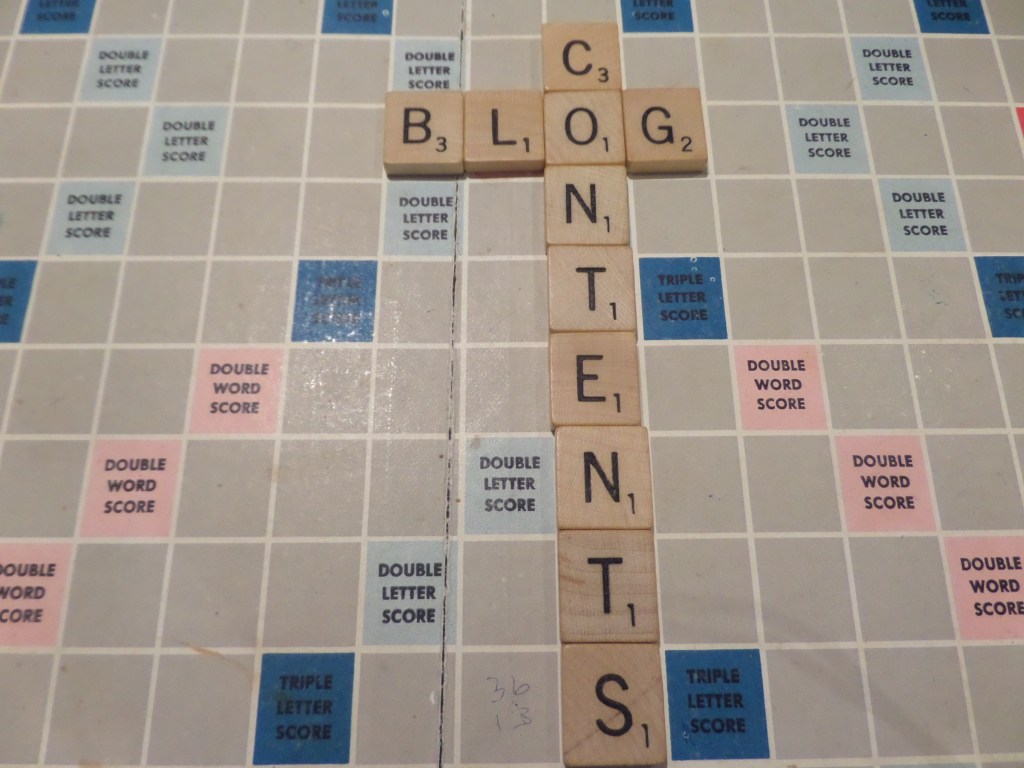
The following are the topics I’ll be covering more indepth in separate posts in this series; I’ll add links as I post them:
- Is Author Blogging Dead?
- Blog or Website or Both?
- Social Media
- Author Blogs
- Connections and Audience
- Content Tips
- Goals
- Layout
- Types of Posts
- Specific Pages
- Promoting Your Blog
- SEO
- Ideas for Posts
- E-Mail Newsletters
- Author Blogs: My personal conclusions – and series resource list
AUTHOR BLOG CONTENT TIPS
WHAT CONTENT TOPICS CAN YOU COME UP WITH?
- Check out the metrics on your blog. What have been the most popular posts on your author blog? Which posts have received the most comments? Do you have posts from a long time ago that are still being found in searches and being read? Take a look at those. Build on them with new related posts.
- Create a “mission statement” for your author business … and then apply it to your blog. What is your purpose? What do you want to share with your target audience readers? What do you want to accomplish for yourself? What are you curious about? What ideas would you personally like to explore? How can your blog take advantage of your creative ideas and skills?
- Do a search engine search for some potential post topics you think you might want to write about. Do a search for keywords people might be using. For example, when I search in the Google search engine for “author blog topics” and scroll to the foot of the first page, there is a list of “Related searches” that include: Best author blog topics; blog topics for social media; author content ideas; creative writing blog ideas; work blog ideas… Of course, there are also blog post links on the page, and if I click on those and skim through them, I can get even more ideas: Blog Post Ideas for Fiction Authors; 5 Creative Blog Post Ideas for Writers; 40 Blog Post Ideas for Novelists, Poets, and Creative Writers; Blogging Made Easy with AI … And also on the same Google page, a list of “People Also Ask” questions such as: Which topics are trending in blogging? What can I write about a book blog? If you dig into these keywords, search questions, and blog post links, you’ll have a good idea of what topics are popular and what people want to know. I did it with a broad topic, but you can do it with narrower topics, too. Think of your book’s genre(s), settings, characters, and so on.
- Online bookstore searches: A search for “author blog content” on Amazon.com, under “Department: Books” includes links to sub-topics including: Internet & Social Media; Business & Money; Business Technology; Reference … and under “Audible Books & Originals” is Content Creation & Social Media. And that doesn’t even include the 632 results for “author blog content” books (or the over 3000 results for “author blogs”!). Skim through some of those book titles and you’ll get all kinds of ideas. Or perhaps do a search for your genre. Under “romance novels” the Books Department includes: Contemporary Romance; Women’s Literature & Fiction; Romantic Comedy; New Adult & College Romance; American Literature; Billionaire Romance; Romantic Suspense … (and then, of course, there are over 60,000 book titles you can skim through for ideas!).
- Look through your old posts. If you find you have several posts on different aspects of a topic, get those posts noticed again by creating a “sneeze page.” Collate links for those related posts. Write a short introduction. Under each linked post, write a one-to-two sentence annotation/ summary of the focus or approach of that post. Go to the original posts and add a link to the sneeze page as well. Over time, you can do this for all your main post categories (topics). If a post fits more than one category, that’s fine. Think of a post title like “6 posts about ____ which you might have missed.” You might even want to include a link or two to other author sites’ related posts. NOTE! One of my blog readers, Ken, just took this suggestion to heart and created a “sneeze page” on his blog! Check it out! https://take-note.ca/2023/11/24/this-is-a-sneeze-page/
- Writing blog posts can be helpful for you as a writer, providing you with a platform for personal development, building your writing skills, developing your ideas, getting noticed as you help others and write well, networking, providing yourself with self-directed education, and developing your business both online and offline. Think about all of these as potential topics for your author blog. Research. Find the answers and guidance you need—and share them with your readers. (This series on author blogs is an example of myself doing that very thing). Remember, on an author blog you want to reach out not just to potential readers of your books, and clients for your services, but also to develop your place as a valuable member of the writing community.
HOW CAN YOU MAKE YOUR CONTENT SPECIAL?
With thousands (or more) of author blogs out there, how can you make your content stand out? Here are some ideas:
- Add a fresh perspective to what’s already been discussed. Maybe you have skills, a career, education, or other life experiences that you can use to bring a new way of looking at a writing topic.
- Post from a unique angle. Maybe you’ve noticed that the other blog posts you’ve read are simply repeating the same things over and over—but you could approach the topic from a different angle. Some examples:
- Perhaps you could present an argument or two and show how those contrary viewpoints could be helpful or build on the conversation.
- Perhaps you could write from a unique viewpoint—just the other day, for example, I read a blog post about pet therapy in seniors’ residences: written from the viewpoint of a therapy dog!
- Perhaps you could take a blogging topic that is usually presented in a serious manner, and instead present it from a humorous angle.
- Showcase yourself: your particular/unique personality, skills, and authority through your writing skills, approach, stories, and knowledge.
- Dig deep into one or two niche topics within your book’s genre. Don’t just discuss average topics in the genre; choose one or two aspects that will make you the go-to authority on those niche sub-topics.
- Your blog’s popular posts: You will discover over time that there are blog post topics your readers are particularly interested in, and you will no doubt end up writing on those topics a number of times, from different perspectives and angles. Don’t forget, when writing a new post on a topic you’ve previously covered in other posts, to add links to at least a couple of those posts. This will not only be helpful to your readers but will also help make you be seen as an “authority” on that topic. That can lead to more readers and to opportunities like presenting workshops, etc.
- Read other author blogs and find topics to which you can add more information. Start by adding useful input through comment conversations. Then contact the blog’s owner and ask if they’d like you to do a “guest blog post.” Be sure to suggest at least 2 or 3 topics that you think their readers will be interested in, based on the blog’s posts and comments. And in return, offer them the opportunity of creating a guest post on your blog. In this way, you’ll be reaching out to the broader community of readers (and writers) who are interested in your genre, books, and blog.
- Be a creative producer instead of just recycling others’ content (yes, this creative aspect is something I need to work on more, LOL!). Come up with unique methods.
- Include a variety of graphics. Use photographs and artwork (create your own if possible; if you use others’ make sure you have permission–and pay them if they haven’t given permission for it to be used freely). Use other kinds of graphics when suitable: charts, graphs of various kinds, maps related to your book, and so on.
- Don’t just write. Include in your blog some videos; audio clips (of reading from your book, or an interview); and/or freebies (create pamphlets, short e-books, white papers, printable bookmarks, case studies, etc. in PDF format that readers can download and print). Create a class/course, or a podcast, or post a video on a platform like YouTube—and link to those from your blog.
- Infographics (there are some really useful software sites that can help you create your own!), listicles (readers love information in lists they can quickly scan), how-to guides, surveys, contests… there are so many different methods to make your posts stand out!
- Online writing layout: Be aware of how online material differs in layout from that in books, newspapers, magazines, etc. (though you can get ideas from them, too). Online writing and reading favors white spaces, short paragraphs (or lists), headings and subheadings that can be scanned easily, links at the top to subheadings readers can go to directly. Here is an article that provides useful guidance on blog layouts: https://www.wix.com/blog/blog-format
- Write “long-form” posts from time to time that give you the opportunity to really explore a topic. Come at it from many points of view and angles. Demonstrate that you understand multiple sides of an issue (for example, currently, AI is a big issue for writers, and there are both pros and cons). Create “Ultimate Guides.” Readers love them. (Here is a “how-to” on that topic: https://neilpatel.com/blog/creating-ultimate-guides/ Research deeply and get down to small details most posts on that topic don’t cover. Again, become an expert, a go-to person.
- Repurposing your blog posts: Keep in mind that if you find you are creating a wide variety of posts on a particular topic, you may be producing material for a potential book. Think ahead—how can you repurpose your blog content into magazine articles, books, research papers, workshop presentations, and so on. Your blog can become a hub and preparation site for widening your author business! (On this blog, every time I add a post, I add it to a “Table of Contents” https://normajhill.com/writing-and-editing-articles/ that not only helps readers find topics they are looking for, but also is useful for myself in planning aspects of my blog and my business.
- Separate blogs: If you have multiple niche ideas or topics that you are particularly passionate about, consider creating separate blogs on those varying topics. Link to them from your central “hub” blog. You’ll notice I have done that in my “blog roll” list alongside the posts in this blog.
- Regular blogging builds “presence” and “authority.” Aim to consistently create valuable content. Answer common questions that come up in your social media, writers’ group, feedback groups, and comments in your blog posts. If you aren’t sure of the answer, research. Check out the “common” answers given in related blogs and add extra information your readers will appreciate. Provide reliable and relevant information. Establish yourself as an expert and gain trust.
- Let readers know how you can help them beyond just the blog. What skills and/or services do you provide: editing, illustrating, designing, publishing help, online courses, coaching, co-writing, consulting … If you have these kinds of services available, create a static page on your website that features your skills and services and link to it from relevant posts. As an example, see my “Pen and Paper Mama Services” page on my tutoring and education website: https://penandpapermama.com/pen-and-paper-mama-services/
- Please, please, please carefully edit your posts well before publishing them. It is a sad fact that there are many blogs out there—including author blogs—that are poorly written, have terrible grammar, and include loads of easily fixed problems like spelling mistakes. Who will want to spend money purchasing and reading your whole book if your simple blog posts are a mess? If you have difficulty with self-editing, consider blogging less frequently (but still on a schedule), and focus on quality content—and hire an editor to check your posts before you publish.
- Are you thinking, “I can’t do this?” Do you think you aren’t knowledgeable enough, or don’t have enough “techie skills” to create a useful blog? Think about this: What life stories do you have that are worth telling? What unique perspectives do you have based on your personal life experiences? How have others’ blogs helped you in the past—and how can you “give back” in gratitude through your own blog? Are you feeling lonely and bored—maybe a blog could be an excellent new adventure, and also create a great new source of community and friendship? Blogs built on simple, free or low-cost, fill-in-the-blank style platforms are sure to overcome fears you may have in relation to lack of technical knowledge, low energy, lack of time, and affordability. Also, what “old-fashioned” skills do you have (writing, research, practical office or career or home skills) that can actually provide you with all kinds of blogging topics and requirements?
NOW THAT YOU HAVE LOTS OF CONTENT IDEAS, HOW CAN YOU BLOG WELL AND REGULARLY?
Set up a “calendar” and use it to encourage yourself to post on a regular schedule. When you have a regular schedule, readers are more likely to be looking forward to reading your blog, become more enthusiastic followers, buy your book(s), write reviews…. Overall, your calendar schedule will help you create sustainable habits, routines, and rhythms. And those will build your blog success—blogs are rarely instant successes, but in the long-term they can be an important part of building your author reputation and connections. And remember: consistent blogging keeps your website fresh, and this is favored by search engines, so it will bring your website and attached blog (or stand-alone blog) higher up in search results.
- Be realistic about how much time and energy you have. Some bloggers post once a month; others once a week; others once a day.
- Decide how long and in-depth your posts will be. While most posts these days range from about 1500 to 2500 words, there are successful blogs that provide short daily posts, and others that go deeply into a topic and consequently are much longer (and are posted less often).
- Remember the phrase “quality over quantity.” You are better off to post less often with informative and engaging content your target audience needs, than to publish all kinds of “this and that” just to provide frequent quantity.
- Set up a regular review schedule for your blog: monthly, quarterly, annually, every few years. Are you on-track? Do you want to continue with your current focus, or would you like to move to another focus? Do you still need to blog, based on your original reasons? What is working for you? What isn’t working? How has your life changed? If you are losing interest in your blog topic, or want to move on to a different blog topic, consider whether it might be time to close down your blog or even sell it (yes, that’s a possibility!). Or perhaps you’ll want to revamp it or take it to another level.
- Blog series: If you have a topic you are especially interested in, or have extensive knowledge or experience with, consider doing a “blog series.” Choose a topic, then make a list of different aspects of that topic, organize them into a useful and interesting list, and then create posts over a period of time. As an example, the post you are reading is part of a series on “author blogs” and I have currently planned 14 subtopics (see the list at the top of this post). I am creating a post on each sub-topic and will publish them one at a time on Monday, Wednesday, and Friday over a 5-week period. (I may add a Q&A post at the end; and/or I may also add a post at the end on what I have personally learned through creating this series. Meanwhile, over that 5-week period, I’ll hopefully have gotten into a 3 times per week blogging habit).
- Plan your posts in advance. Make an outline plan for at least one to two months ahead and add to the plan as you use up the potential post ideas you have listed. Remember that life has a habit of throwing unexpected curves, like illness, family emergencies, career or educational changes, and so on. That’s why it’s important to have at least a couple months’ worth of post ideas ready. In fact, you should have tucked away at least a half dozen fully prepared posts on miscellaneous topics related to your writing, in case times come when you simply don’t have time to write.
- Some bloggers have a regular system. For example, Monday might be a more serious, in-depth examination of a topic. Wednesday might be a mini-post on miscellaneous topics (your cat or dog, an interesting event, your quick take on a “current events” topic, a bit of humor…). And Friday might be … well, whatever appeals to you, and what you think might appeal to your target audience: perhaps focused on a particular topic related to your book(s), such as photos of the setting in which your book takes place, sketches of your characters (written or drawn), how you wrote the book, or whatever. If you just write once a week or once a month, do it on the same day—for example, Tuesday every week, or the first Monday of each month.
- Collaborative blogs: If you feel like a blog, on your own, is too overwhelming, consider finding other authors who share your genre and interests, and start a group collaborative blog. Take turns creating posts.
- Step-by-step: Remember that, as in other aspects of life, small steps day by day build up to success. While you don’t have to write a post every day, do aim for at least once a week, or at the very least, 1 post per month. Even when blogging less often, take a few minutes each day (even just 10 minutes or so) to do something toward your blog—jot down topics you could write about; do a bit of research, ask “What do you need to learn? What do you want help with?” type questions on your author social media that connects to your blog; read a couple blog posts on other author blogs; and so on. Day by day small steps can build up an epic blog over time.
- Selling your book(s) and services: While you will want to talk directly about your particular book(s) and your author activities from time to time in your blog posts, don’t overdo it. Most readers really don’t like a “sell-sell-sell” approach. Instead, be useful to your readers. If your blog is part of a well-designed author website, you can, when appropriate, insert links to applicable pages in the site. For example, if you are creating a post about how to research a setting for a book, and you use one of your books as an example, be sure to include a link to your website page that details that book and lets readers know where to purchase it.
- Update older posts. Find “evergreen” ones that have continued to be popular but are maybe a bit out-dated; ones that have questions in the comments for which you could provide more in-depth information; ones with “dead links” that no longer work; ones that are really relevant in terms of “trending” topics or “current events.” Take those posts, bring them up-to-date, add new relevant links, add extra information that answers questions in the comments, provide commentary on how they relate to current events or trends—and post them as new posts.
- Don’t forget to back up your posts. Some platforms have that service available, or you may choose to make copies on your computer, on a cloud service, or on a portable hard-drive or other storage device. You really don’t want to lose all your time and effort. Blog platforms are more reliable than in the past, but sometimes things happen…
- How-to posts are popular. When creating one, ask yourself these questions and answer them in the post. WHY should readers do this? WHAT is their motivation? WHAT exact steps (detail) do they need to take to do this successfully? HOW can they go about actually doing this? WHAT could go right and what could go wrong (include case studies and examples)? WHAT problems might your readers have putting this into practice (anticipate those problems and provide advice on how to prevent or overcome them). WHAT are the benefits for your readers of doing this thing?
- Stories are powerful and persuasive. If you want to sell a product or services, if you want to connect deeply with your audience, then include stories in your posts. Stories can help as you:
- Create your message and content around your target audience’s hopes and dreams.
- Make your posts easy to relate to through the emotions, suspense, struggles, and thoughts of the characters in the stories you use.
- Provide imagery and details for your readers as they share in the struggles, joys, doubts, and experiences of those in the stories.
- Use stories to make your blog’s points into real-world experiences, beyond just theory.
WHAT NEXT?
If “content is king,” how will you use great content to make your blog successful? Right now, do one (or 2 or 3) of the following:
- Look again through the list of ways to come up with topic ideas. Choose one of them and use it to write down, right now, a list of content topics you would like to use.
- Look again through the list of ways to make your content special. Choose one way that appeals to your personality, skills, and knowledge, and use it, right now, to write a new blog post that uses the method you have chosen.
- Look again at the list of methods you can use to blog more regularly and consistently. Choose one of those methods and use it today to start setting up a “calendar” for your blogging schedule.
Don’t forget to comment! (You’ll find the “Leave a comment” link in the top left corner of the post). Here are some ideas:
- What tips in this post are most useful to you? How will you integrate them into your blog?
- Are there any ideas in this post you would like more information about? What exactly do you want to know?
- What blog content tips can you add to this post to help other readers of this post? What experiences, successes, or problems have you run into, related to blog content?
 Norma J. Hill
Wow, what a rich post. I never thought of searching for blog topics using these simple methods. Thank you!
LikeLike
I’m happy you found it helpful, Naomi! Some of them are from my own experience … but others are from research I’ve done–and I’m looking forward to putting them into practice, too 🙂
LikeLike
Several interesting tips here, Norma. Thank you. However, there is one that I think should be included: list your sources and; photo and graphic credits. I read so many blogs and posts these days that fail to cite where their excerpts and images come from. Unprofessional and an absolute no-no from my point of view.
LikeLike
Thank you, Miscghliasain! You are absolutely right about listing sources and photo/graphic credits. This is an area that I myself need to work on more. Blogs by their nature tend to be less “academic” in nature than formal academic papers, but it is true that when other writers and illustrators have put a lot of time, effort, and research–as well as their own ideas–into their work, those of us who use those sources should reference them. I intend, when this series is completed, to create a post of references/bibliographic information I have used to which readers can refer. As for my illustrations in this series, I created them myself (except for the 1st one…). For readers of this post and comments, I recommend the following site for a very good introduction to this topic: https://www.blogtyrant.com/how-to-find-imagess-for-your-blog/
LikeLiked by 1 person